
Making Money with Programming: Beginner Roadmap for Freelancing, Remote Work, and Portfolio Building
Making money with programming has become more realistic than ever. Software is now used by almost every type of business, from small local shops to large international companies. Even businesses that do not look like technology companies still need websites, dashboards, automation tools, mobile apps, data analysis, online marketing systems, and internal software.
Because of this, programming is not only a job skill. It can also become a way to freelance, build products, work remotely, create a portfolio, and earn side income.

Image from Pixabay Free Images.
The rise of remote work after COVID-19 also changed how people think about jobs. Many companies became more open to remote teams, contract workers, and freelancers. At the same time, many programmers started looking for flexible work, side projects, and international clients.
I have also followed communities such as r/overemployed, and it made me realize how many different ways experienced programmers can earn money. Of course, it is not easy, and it is not automatic. But if someone has the right skills, discipline, and patience, programming can open many doors.
In this blog, I will share a practical roadmap for making money with programming, especially for beginners who want to start with skills, projects, portfolio building, freelancing, and remote work.
What Does Making Money with Programming Mean?
Making money with programming does not mean only getting a full-time software engineering job. There are many paths.
Some common ways are:
- full-time software development jobs
- remote programming jobs
- freelance projects
- contract work
- building websites for clients
- automation scripts for businesses
- data analysis dashboards
- mobile or web app development
- bug fixing and code maintenance
- teaching programming
- writing technical blogs
- building and selling small software products
- creating templates, tools, or plugins
The best path depends on your skill level, interests, time, and confidence.
For beginners, freelancing and side projects can be difficult at first because clients need trust. That is why your portfolio, GitHub profile, and communication matter a lot.
Have a Skillset
Before making money with programming, you need something useful to sell. The first question is simple:
What problem can you solve for someone?
If you spend many hours on social media platforms like Facebook, TikTok, or Instagram only for entertainment, you are mostly giving away your time and attention. But if you spend some of that time learning programming, building projects, and publishing your work, you slowly create something valuable.

Image from Pixabay Free Images.
You can start learning from platforms such as Coursera and freeCodeCamp. There are also many free YouTube tutorials, official documentation pages, and open-source projects.
Good beginner-friendly skills include:
- Python
- SQL
- HTML and CSS
- JavaScript
- Git and GitHub
- basic Linux commands
- APIs
- web scraping
- data visualization
- simple web development
After learning the basics, the most important step is to build personal projects.

Image from Pixabay Free Images.
Courses can teach you syntax, but projects teach you how to solve real problems. A project also gives you something to show to clients, recruiters, and other developers.
Pick a Direction
Programming is a big field. You do not need to learn everything at once. It is better to choose one direction and build enough skill in it.
Some common directions are:
Web Development
This includes websites, dashboards, landing pages, backend systems, and full-stack applications.
Useful skills:
- HTML
- CSS
- JavaScript
- React
- Django
- Flask
- Node.js
- databases
- deployment
This is one of the easiest areas to monetize because many businesses need websites or web apps.
Data Science and Analytics
This includes cleaning data, making reports, building dashboards, and finding insights.
Useful skills:
- Python
- pandas
- SQL
- Excel
- Power BI
- Streamlit
- Plotly
- basic statistics
This is good for people who like working with data and business problems.
Automation
Automation is one of the most beginner-friendly ways to make money with programming. Many people and companies have repetitive tasks that can be automated.
Examples:
- rename files
- scrape websites
- clean Excel files
- send automatic emails
- generate reports
- connect APIs
- monitor websites
Useful skills:
- Python
- Selenium
- BeautifulSoup
- requests
- pandas
- cron jobs
Computer Vision and AI
This includes image classification, object detection, segmentation, OCR, and video analytics.
Useful skills:
- Python
- OpenCV
- PyTorch
- TensorFlow
- YOLO
- Streamlit or Flask for demos
This can be powerful, but it is usually harder than basic web development or automation.
Mobile App Development
This includes Android, iOS, or cross-platform apps.
Useful skills:
- Flutter
- React Native
- Kotlin
- Swift
- Firebase
Mobile apps can be profitable, but client expectations can also be high.
Build Personal Projects
If you are a computer vision enthusiast, you might find the following projects interesting:
- Deploying Image Manipulation Tool in Heroku
- Gesture Based Calculator
- Game: Kill a Fly
- Gesture Based Visually Writing
- Face Mask Classifier
If you are interested in data science, the following topics might be useful:
- Making Weather Bot with Accuweather, OpenWeather, and Twilio
- MySQL Prepared Statements
- Getting Started With Apache Superset
- Getting Started with Apache Airflow
- Data Dashboard with Plotly and Streamlit
When you build projects, try to make them practical. A small finished project is better than a big unfinished idea.
Good beginner project ideas include:
- personal portfolio website
- expense tracker
- weather dashboard
- simple blog app
- image converter
- web scraper
- PDF text extractor
- Excel automation script
- task management app
- chatbot using an API
- object detection demo
- Streamlit dashboard
Write a Good README File
A project without explanation is hard to understand. A good README.md file makes your project more professional.
A good README should include:
- what the project does
- why you built it
- screenshots or demo GIFs
- technologies used
- installation steps
- how to run the project
- example usage
- known limitations
- future improvements
A simple README structure can look like this:
# Project Name

Short description of the project.

## Features

- Feature 1
- Feature 2
- Feature 3

## Tech Stack

- Python
- Django
- PostgreSQL

## Installation

```bash
git clone project-url
cd project-name
pip install -r requirements.txt
python manage.py runserver
Screenshots
Add screenshots here.
Future Improvements
- Improvement 1
- Improvement 2 ```
It is always a great idea to have a good README.md file in a project.
Build a GitHub Profile
After learning programming and building projects, you need to showcase your work. The first step is having an active GitHub account.
Try to:
- commit regularly
- write meaningful commit messages
- keep project repositories clean
- add README files
- add screenshots
- pin your best repositories
- remove unfinished or messy projects from the front page
- use clear repository names
Nothing looks better than a GitHub profile with useful projects and consistent activity.
Some people also practice on LeetCode to improve problem-solving skills. Others follow 100 days of coding challenges. One of my friends Durga did her 100 days of coding challenge, and it was interesting to see her progress over time.
I found Advent of Code in 2020 and liked it because of its story-based programming challenges. You can find some of my solutions here:
Have a Compelling Portfolio
You learned programming. You built projects. You created a GitHub profile. Now you need a portfolio.
A portfolio helps people understand what you can do.
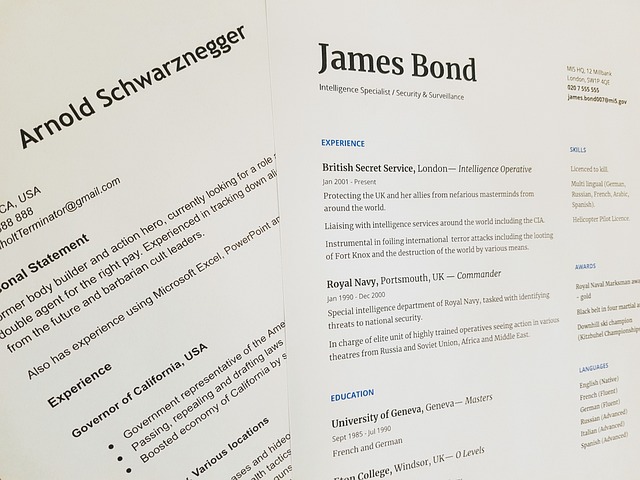
Image from Pixabay Free Images.
A good portfolio should answer these questions quickly:
- Who are you?
- What skills do you have?
- What projects have you built?
- What problems can you solve?
- How can someone contact you?
You do not need a complex portfolio at the beginning. A simple, clean website is enough.
Ways to Showcase Your Work
There are a few good ways to showcase your work.
GitHub Profile README
GitHub lets you create a special profile README. It appears at the top of your GitHub profile.
You can learn about it from the official GitHub guide: Managing your profile README.
Below is my GitHub README as of December 2022.
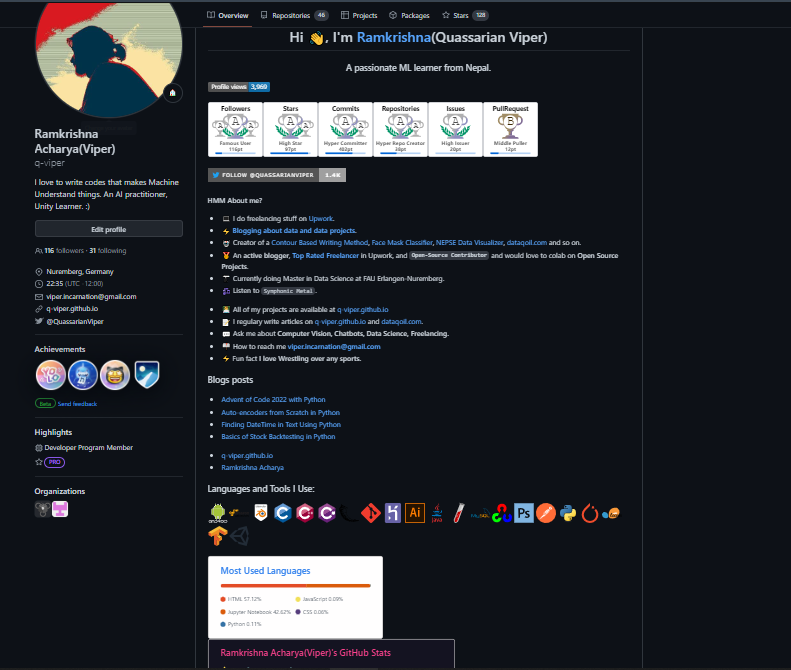
Image from an Author.
GitHub Pages Portfolio
GitHub also lets us host a portfolio using GitHub Pages. This is one of the easiest free ways to publish your work.
You can find mine at q-viper.github.io. I started writing blogs there in 2020 after my AWS free instance ended. I like GitHub Pages because it is free, supports Markdown, and is easy to maintain.
You can read my blog about how to start with GitHub Pages in a few steps.
Technical Blogging
Blogging is also a good way to build a portfolio. It shows that you can explain what you learn.
Some good places to write are:
A blog post does not have to be perfect. You can write about what you learned, what errors you faced, and how you solved them.
For example:
- how you built a project
- how you fixed a bug
- how you deployed an app
- how you used an API
- what you learned from a course
- how you solved a programming challenge
Choose the Battlefield
Finding an opportunity is a real battle. Making money with programming also needs strategy.
You need to decide where you want to search for work.
Common options include:
- freelancing platforms
- remote job boards
- startup job boards
- personal network
- open-source communities
- local businesses
- direct outreach
I first chose the LinkedIn job portal. I did not get many opportunities that matched my profile and interests. Many recruiters also ghosted me. At that time, I thought the main reason was that I was not good enough.

Image from Pixabay Free Images.
But later I understood something important:
No one is good enough for everyone.
You only need to be useful to the right person, team, or client.
I did get some short-term work through LinkedIn, but later I learned more about freelancing from a friend.
Trying Freelancer.com
For my second attempt at making money with programming, I tried Freelancer.com. I could not succeed there.
The biggest problem was trust. When you are new and your profile has no reviews, it is very hard to convince someone to hire you.
There were also many things to consider:
- profile description
- bidding strategy
- pricing
- client communication
- competition
- project history
- reviews
For me, it felt difficult and a little boring at the beginning.
Image from profit.pakistantoday.com.
Trying Upwork
For my third attempt, I chose Upwork. One of my successful freelancer friends suggested it to me, and I found it better for my style.
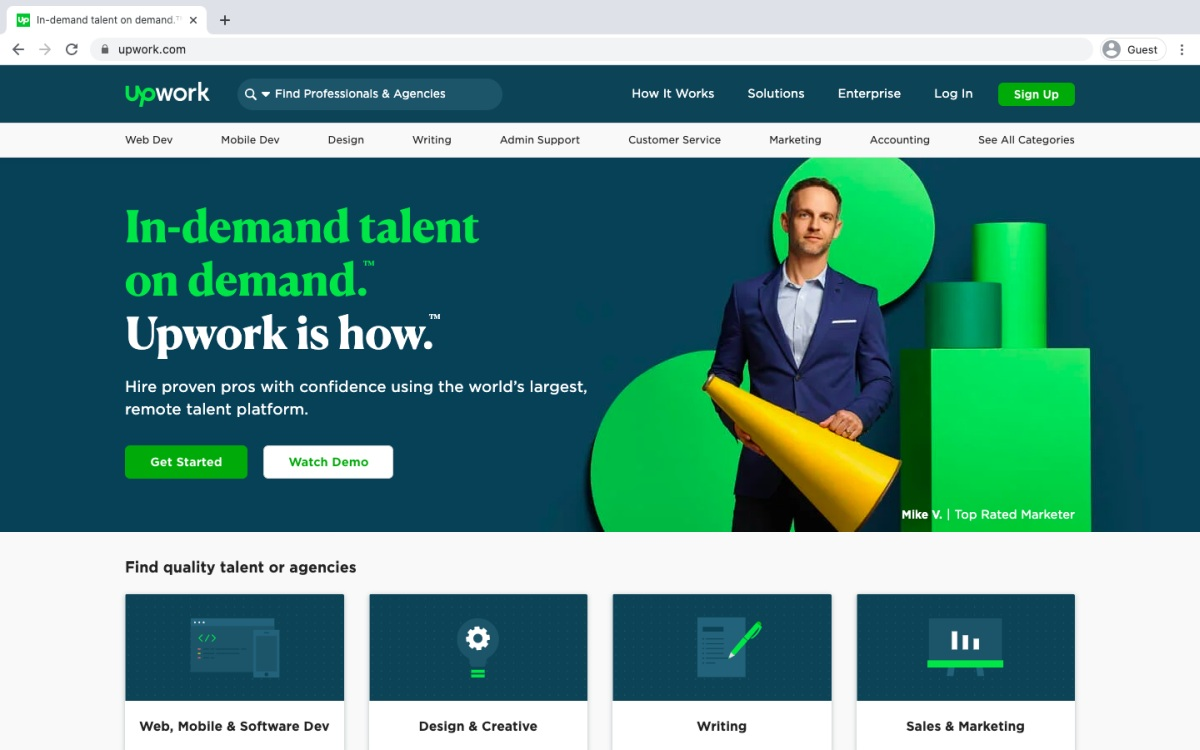
Image from biz30.timedoctor.com/.
I found Upwork useful because:
- it has many job posts
- the interface is simple
- searching for jobs is easy
- clients can chat directly
- the platform gives structure to contracts
- it is beginner-friendly if you are patient
I started in 2022 and tried Upwork as a side hustle. I was able to make some side income. In fact, I made more in one week than what my full-time job paid in a month at that time. I started with a $10 per hour job as an early freelancer, and it was a very useful experience.
If you want to read experiences, tips, and discussions from other freelancers, r/Upwork can be useful.
How to Start Freelancing as a Programmer
If you are new, do not start by applying to every project. Start with small and clear tasks.
Good beginner-friendly freelancing tasks include:
- fixing Python errors
- cleaning CSV files
- writing small automation scripts
- building simple landing pages
- creating dashboards
- scraping public websites
- converting notebooks into scripts
- deploying small apps
- improving existing code
- writing documentation
At the beginning, your goal is not only money. Your goal is to get:
- experience
- reviews
- confidence
- communication practice
- a better understanding of client needs
Once you have some reviews and completed work, it becomes easier to apply for better projects.
How to Write a Better Freelance Proposal
A good proposal should be short, specific, and focused on the client.
A simple structure is:
Hi [Client Name],

I read your project description. You need [repeat their problem in simple words].

I can help you with this because I have experience with [relevant skill/project].

My approach would be:
1. [Step 1]
2. [Step 2]
3. [Step 3]

I can also share similar work if needed.

Best,
[Your Name]
Avoid sending generic proposals like:
I am a hard-working developer. I can do this project. Please hire me.
Clients get many proposals. You need to show that you actually read their problem.
Pricing Your Work
Pricing is difficult in the beginning.
If you are new, you may start with a lower rate to get your first few clients. But do not stay too low forever. As your skills, confidence, and reviews improve, increase your rate.
You can price work in two ways:
Hourly Pricing
Good for:
- unclear tasks
- debugging
- long-term work
- maintenance
- research-heavy work
Fixed-Price Projects
Good for:
- small clear tasks
- landing pages
- scripts
- dashboards
- defined deliverables
For fixed-price work, always define the scope clearly. Otherwise, the task can keep growing.
Other Platforms for Programming Work
Besides the platforms mentioned above, some other useful platforms are:
- Toptal: for experienced developers. The screening process can be difficult for beginners.
- Turing: remote developer jobs, but also difficult for beginners.
- PyJobs: Python-focused job board.
- Wellfound: startup jobs and remote opportunities.
- LinkedIn: full-time, part-time, contract, and remote jobs.
- Remote OK: remote job board.
- We Work Remotely: remote jobs in programming and tech.
- Fiverr: service-based freelancing.
Do not depend on only one platform. Try a few and see where your profile gets better responses.
Direct Outreach
Freelancing platforms are not the only option. You can also contact businesses directly.
For example, you can reach out to:
- local shops without good websites
- small companies with manual Excel workflows
- startups with broken websites
- creators who need automation
- researchers who need data cleaning
- small businesses that need dashboards
The message should not sound like spam. It should be short and helpful.
Example:
Hi,

I noticed your website does not show properly on mobile. I am a web developer and can help make it cleaner and mobile-friendly.

I can send a short suggestion list if that helps.

Best,
[Your Name]
This does not always work, but it can lead to opportunities if done carefully.
Build Trust Before Selling
People pay programmers when they trust them.
Trust can come from:
- portfolio
- GitHub projects
- blog posts
- testimonials
- clear communication
- quick replies
- honest estimates
- clean delivery
- explaining things simply
You do not need to pretend to know everything. It is better to be honest and say:
I have worked on similar tasks. I will need to check this specific part before confirming the exact timeline.
That sounds more professional than overpromising.
Common Mistakes Beginners Make
Here are some mistakes to avoid:
- learning too many languages at once
- never finishing projects
- not writing README files
- applying to jobs without reading the description
- sending the same proposal to everyone
- pricing too low for too long
- accepting unclear project scopes
- not asking questions before starting
- ignoring communication
- giving up after a few rejections
Rejection is normal. Ghosting is normal. Slow progress is normal.
The important thing is to keep improving your skills and presentation.
A Simple Roadmap
Here is a simple roadmap for beginners:
- Learn one useful programming language, such as Python or JavaScript.
- Build 3 to 5 small projects.
- Upload them to GitHub with good README files.
- Create a simple portfolio website.
- Write 2 to 3 blog posts about your projects.
- Create profiles on LinkedIn and one freelancing platform.
- Apply to small, specific tasks.
- Communicate clearly with clients.
- Collect reviews and improve your profile.
- Slowly increase your rate and project size.
This process takes time, but it is realistic.
Conclusion
Based on my personal experience, I found Upwork to be one of the better platforms for beginners because it has many opportunities, simple navigation, and useful communication features. But the platform alone is not enough. You still need skills, a portfolio, patience, and good communication.
Making money with programming is possible, but it is not instant. The best way to start is to learn one useful skill, build projects, share your work, and solve small real problems for people.
Thank you for reading this article. I hope this gives you a clearer path to start making money with programming through freelancing, remote work, and portfolio building.


Comments